Ten Minutes to Silence: The Invisible Ballet Behind the Curtain Line
Photo: Countessluann, CC BY-SA 4.0, via Wikimedia Commons
The audience settles into velvet seats, programs in hand, unaware that the most disciplined choreography of the evening is already underway — and none of it is happening onstage.
The Clock Nobody Sees
Every American theater operates on what stage crews call the half-hour, a countdown that begins thirty minutes before curtain. But it is the final ten minutes — the ten — where the machinery hums loudest. At T-minus-ten, the stage manager issues the last call over the backstage intercom: "Ten minutes, please." The phrase is a ritual as old as the American road house itself, and every performer hears it differently.
For the corps dancer in the dressing room, it means one final round of ankle articulations. For the principal warming up in the wings, it signals the shift from preparation to presence. For the stage manager at the console, it begins a cascade of confirmations: deck crew standing by, fly operator ready, sound at level, house ready.
Needles, Safety Pins, and the Wardrobe Scramble
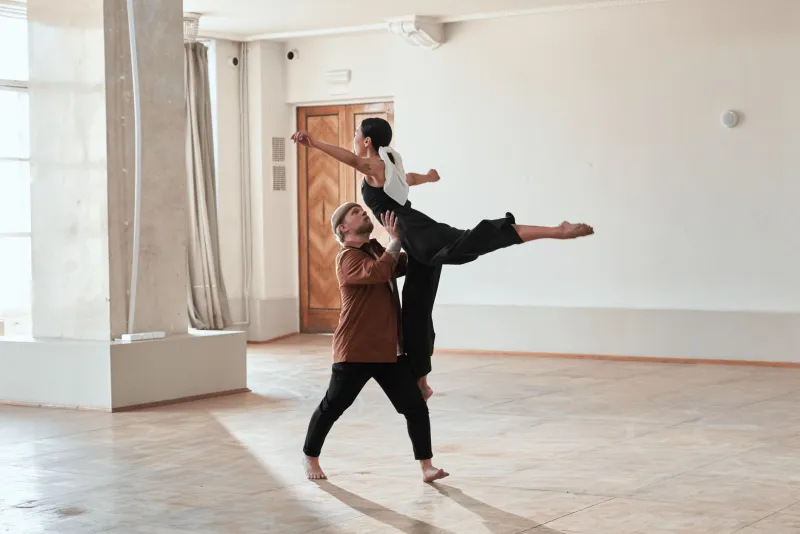
At minute eight, wardrobe is often still solving problems. A strap gives way during a partner lift in the run-through; a seamstress kneels in the dressing room corridor with a needle already threaded, working on a costume that will be worn in four minutes. There is no time for perfection — only for function. The theatrical stitch is a different craft than fashion sewing: it exists to survive one more act.
Ushers, meanwhile, are managing a quieter emergency: the family of five stuck in traffic on the interstate, the patron who insists on one more trip to the lobby bar. Front-of-house staff walk the aisles with flashlights dimmed to a whisper, redirecting latecomers toward the rear doors that will hold them until a scene break.
The Wings Become a Sanctuary
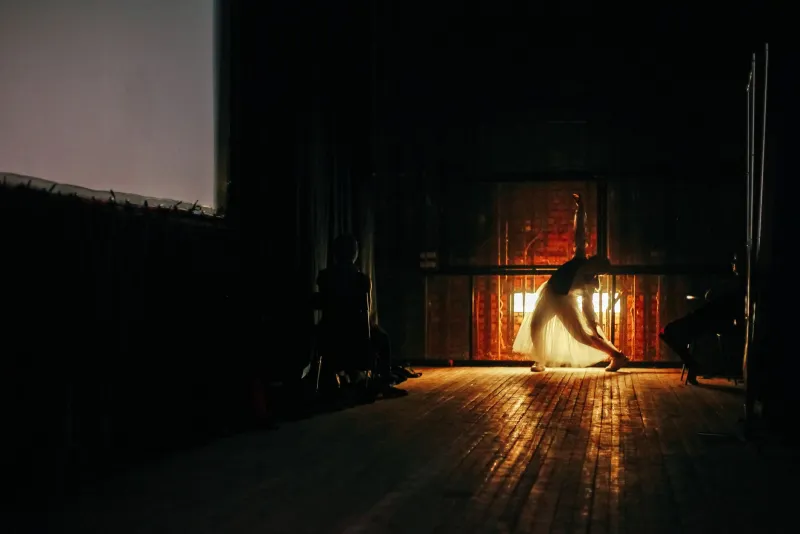
By minute five, the wings transform. Dancers mark phrases in miniature — a shoulder roll here, a weight shift there — never full-out, saving the true movement for the moment it matters. Breathing patterns shift. Some performers repeat mantras; others run the score in their heads, lips moving silently to a count only they can hear.
This is where performance science gets interesting: studies of pre-performance arousal consistently show that this window is when a dancer's nervous system either settles into readiness or tips into panic. The ritual is the regulator. The same warm-up, the same sequencing, the same counts — repetition tells the body that the unknown ahead is, in fact, known.
The Places Call
"Beginners to the stage, please." At minute two, the opening cast moves into position. The house lights hold. The orchestra tunes to a single sustained A. And somewhere in the booth, a hand rests on the master cue.
What follows is a countdown the audience feels but never sees — the drop of the ghost light's glow, the first note, the first step. Ten seconds of darkness that cost a small army of people their entire evening of vigilance.
The next time the lights fall in your local theater, remember: the show you're watching had an opening act you were never meant to see. It ran exactly on time.