The Regulars: Portraits of the People Who Never Miss a Curtain
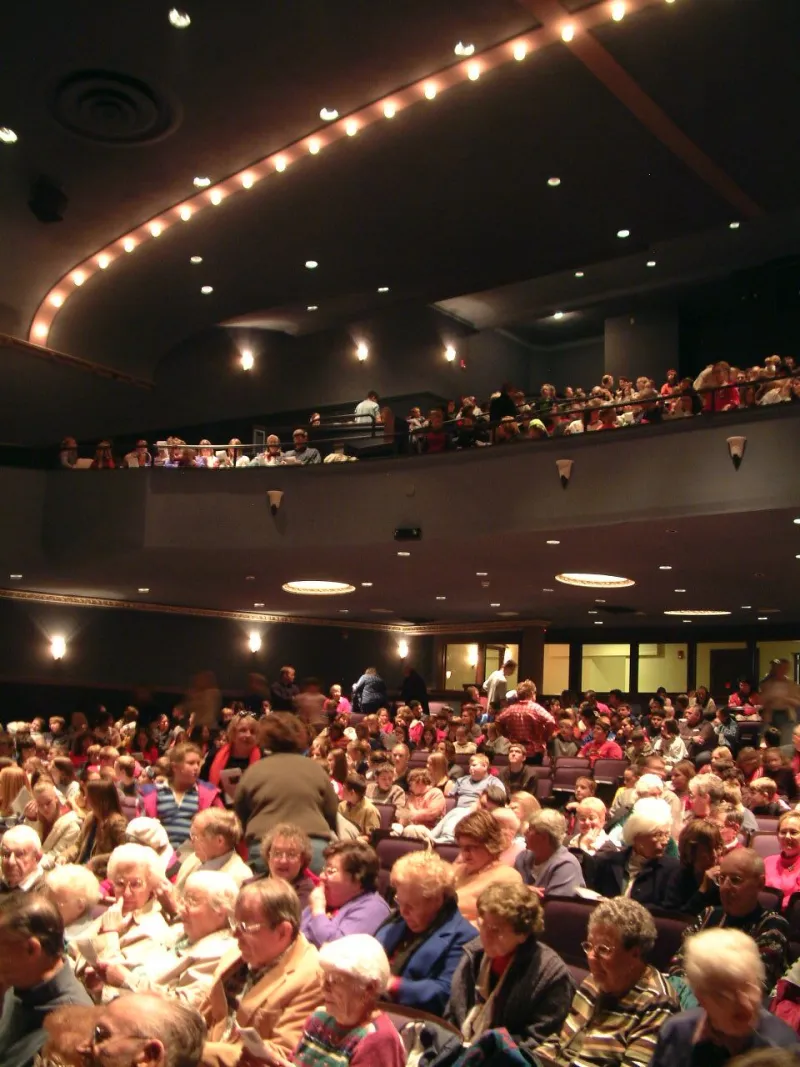
Photo: Bob Hibbs, who resides in his family home of more than 40 years, Kinchouse in Iowa City, Iowa., CC0, via Wikimedia Commons
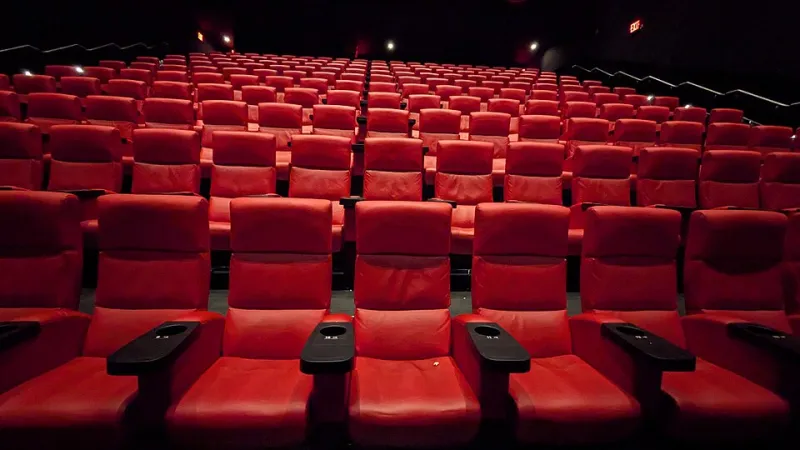
Row F, seats four and five. If you stood in the lobby of any mid-size American dance theater thirty minutes before curtain, you could probably guess who's coming: the same faces, the same coats, the same ritual of greeting the volunteer usher by name.
They are the regulars, and without them, most regional companies would be performing for an empty room.
Thirty Years, Two Seats
Consider the retired couple — call them the Hendersons — who have held the same subscription since the Reagan administration. They can tell you which touring company collapsed mid-season in 2009, which principal dancer married the lighting designer, which program they walked out of (only once, they insist, and the less said the better). Their memories are an unofficial archive no institutional historian could replicate.
When asked why they keep renewing, the answer is disarmingly simple: "We've watched these dancers grow up. Some of them started in the youth ensemble. You don't stop watching family."
The Notebook Critics
Then there is a younger cohort reshaping what devotion looks like. Twenty-somethings who attend every performance twice — once to feel, once to analyze. They carry notebooks, compare interpretations across nights, and post thoughtful threads that function as free marketing no budget could buy.
One of them, a graduate student who has seen the current season's centerpiece three times, explains the practice: "The first viewing is surrender. The second is understanding. Live dance changes between performances — no recording captures that. If you only see a show once, you've met it, but you don't know it."
Why Repetition Matters
There is real evidence behind their instinct. Research on aesthetic experience suggests that familiarity deepens rather than dulls appreciation of live performance; repeated viewers report stronger emotional responses and finer-grained perception. The second viewing is not redundancy. It is fluency.
Theaters that understand this design for it: post-show talkbacks that reward the returning patron, season teasers that assume knowledge, lobby displays tracing a work's evolution. The regulars aren't just an audience — they're a constituency.
From Viewer to Steward
What happens to people who watch the same company for decades? They become its immune system and its bloodstream at once. They notice when a beloved program gets cut. They bring guests — the grandchildren, the new neighbors, the skeptical coworker — and convert them one curtain call at a time. They serve on boards, host fundraisers, defend the theater at city council meetings when funding is on the agenda.
Casual attendance produces applause. Repeated attendance produces ownership. And ownership, multiplied across a few hundred devoted subscribers, is the difference between a venue and an institution.
So the next time you're in row F and notice the couple beside you settling into seats worn smooth by thirty years of use, say hello. You may be shaking hands with the reason the lights come on at all.