Geometry From the Back Row: In Defense of the Cheapest Seat in the House
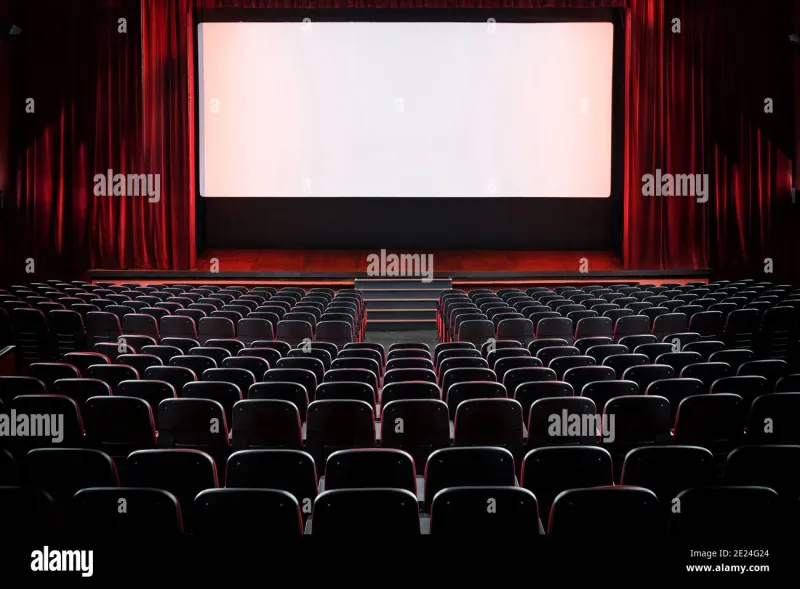
Photo: empty theater view from back row stage wide shot, via c8.alamy.com
I have sat in the front row of enough dance performances to know its peculiar tyranny. From twelve feet away, a dancer is not a dancer; she is a face, a breathing ribcage, a sheen of exertion on a forearm. The details are magnificent. The dance, often, is missing.
It took me years of cheap tickets to articulate what the back row offers, and it begins with a simple fact of perception: dance is a spatial art, and space can only be seen whole from a distance.
What Distance Reveals
From the last row of a mid-size proscenium house, the stage becomes a composition. You can see the corps de ballet breathe in unison — a wave of inhales passing through sixteen bodies like wind through wheat. You can track the negative space, the empty stage that a choreographer has carved as deliberately as any filled one. Formations resolve into patterns: diagonals, circles, the sudden grid that lands with the force of a musical downbeat.
Perceptual researchers who study audience experience have long noted that human vision prioritizes global structure at distance and local detail up close. Dance happens to be one of the few art forms where both matter — and the seat you choose determines which one you receive. The front row gets texture. The back row gets architecture.
The Choreographers Who Design for the Last Row
When I raised this with working choreographers, I expected indifference. I found the opposite. Several described the back row as a private test: if the piece reads from the last seat of the house — if its shapes are legible, its dynamics clear without facial nuance — the design holds everywhere.
One East Coast choreographer told me she rehearses new work from the back wall of her studio before every showing, squinting deliberately, checking whether the ensemble's geometry survives the distance. Another, whose company performs largely in found spaces, said he stages his biggest ensemble moments for 'the person standing at the bar' — the farthest, least invested viewer in the building. If that stranger stops talking, the work works.
This is not accidental. The classical corps de ballet, with its symmetrical lines and synchronized breath, was engineered for exactly this vantage. Balanchine famously distrusted small rooms for precisely the reason the back row celebrates big ones: scale is meaning.
Where You Sit Is What You See
None of this makes the front row wrong. The trembling of a dancer's lip at the end of a solo is a legitimate and devastating thing to witness. But the cultural assumption that proximity equals quality — that the expensive seat is the true one — flattens a richer truth. Different seats deliver different works.
The back row offers the honest version of dance: not the performer's face but the choreographer's mind, laid out in full. It is also, not incidentally, the seat most people can afford. There is something fitting in that. The art of the ensemble — many bodies composing one thought — is best read from among the many, in the last row, where the whole picture finally holds still long enough to be seen.
Buy the cheap ticket. Sit far. Watch the design breathe.