Outside the Orbit: How Regional Dance Theaters Are Rewriting the Rules of Who Gets a Stage
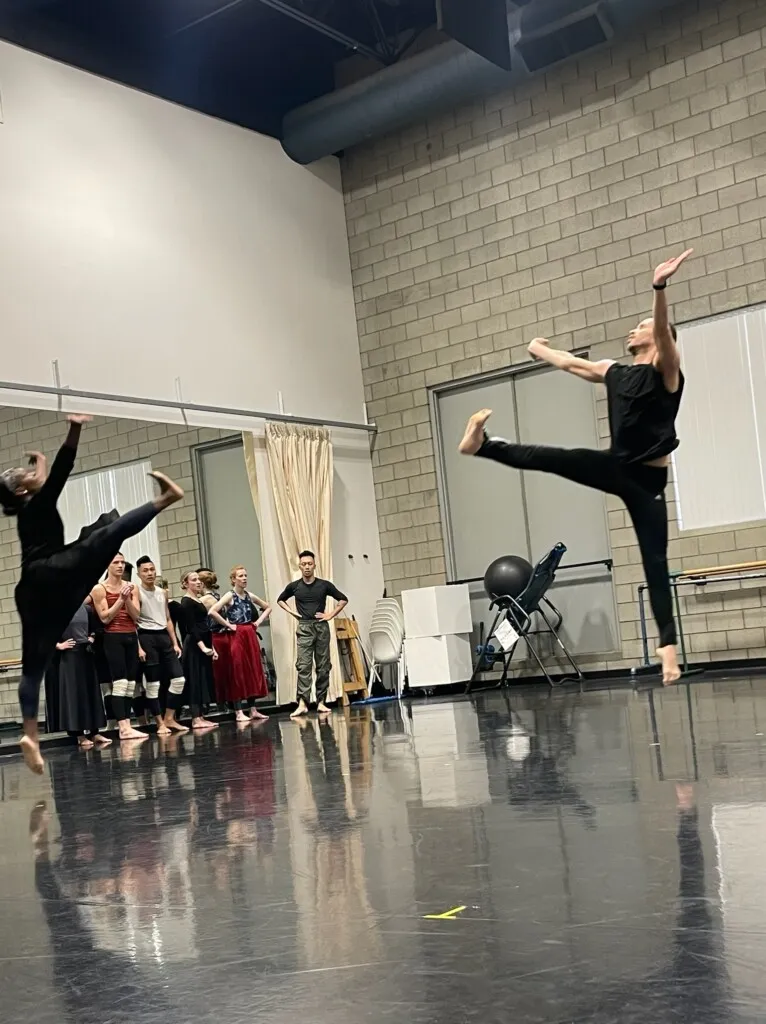
Photo: regional theater dance performance diverse choreographers rehearsal studio, via www.theutahreview.com
For most of the twentieth century, a choreographer's career was measured in a single, unambiguous currency: New York recognition. The companies, the critics, the commissioning dollars — all of it concentrated within a few square miles of Manhattan. To be seen was to be validated; to be validated was to be seen there. That geography of power shaped not only careers but the very vocabulary of American concert dance, filtering which bodies, which stories, and which aesthetic sensibilities were deemed worthy of serious attention.
That architecture is cracking. Across the country, mid-sized regional theaters and dance organizations are quietly — and in some cases, quite deliberately — building infrastructure that no longer treats New York as the sun around which all artistic ambition must orbit. They are commissioning new work, cultivating relationships with choreographers who have been historically overlooked by legacy institutions, and attracting audiences who are hungry for the kind of specificity that only locally rooted artistry can provide.
The result is something that looks less like decentralization and more like a genuine redistribution of creative authority.
The Myth of the Single Center
The idea that innovation in American dance has always flowed outward from New York is, on closer examination, more mythology than history. Significant movements — from the postmodern experiments of Judson Church to the vernacular jazz traditions of the Midwest and South — frequently originated outside Manhattan's institutional structures, only to be absorbed and rebranded once they achieved a certain cultural momentum.
What has changed is not the existence of creativity outside New York, but the willingness of regional institutions to name themselves as primary sites of that creativity rather than as way stations on the road to national recognition.
Artistic directors at theaters from Minneapolis to Houston to Portland are increasingly framing their programming missions in terms of origination rather than presentation. They are not simply booking touring productions; they are developing work from scratch, providing residency time, production budgets, and dramaturgical support to choreographers who might otherwise spend years waiting for a slot in a major metropolitan season.
Building the Pipeline from the Ground Up
The mechanics of this shift are worth examining in detail, because they reveal how thoroughly the traditional model is being reimagined.
Several regional organizations have introduced multi-year artist fellowship programs specifically designed to support choreographers from communities that have been structurally excluded from mainstream dance funding — choreographers of color, artists from rural backgrounds, creators working in hybrid forms that resist easy categorization. Unlike traditional grants, which often demand a finished product or a demonstrated track record, these fellowships invest in process. They give artists time to fail, to research, to change direction.
This is not a trivial distinction. The conventional grant economy has long rewarded artists who already possess the cultural fluency to navigate institutional language — who know how to write a compelling proposal, who have the connections to secure letters of recommendation from recognized figures in the field. Fellowship models that prioritize potential over provenance are, in effect, challenging the credentialing logic that has kept certain voices at the margins.
Beyond fellowships, a number of regional theaters have restructured their seasons to include guaranteed world premieres from emerging choreographers, pairing them with seasoned production teams and ensuring that the work receives full critical and marketing attention rather than being tucked into a late-night experimental slot.
Audiences as Co-Conspirators
One of the less-discussed dimensions of this regional renaissance is the role that audiences themselves are playing in sustaining it. In cities where a single major dance institution has historically set the terms of what counts as serious work, the emergence of alternative venues has created something like aesthetic competition — and audiences are responding with genuine curiosity.
Arts communities in cities such as Atlanta, Denver, and Kansas City have demonstrated a notable appetite for work that speaks directly to their own cultural histories and demographic realities. A piece rooted in the specific immigrant experience of a particular Midwestern city, or drawing on the movement traditions of a regional Indigenous community, carries a kind of resonance that even the most masterfully produced touring production cannot replicate. Regional theaters are learning to leverage that specificity as a programming asset.
This is not simply a matter of local pride. It reflects a broader cultural appetite for art that refuses the pretense of universality — work that is honest about where it comes from and who made it.
The Friction of Change
It would be misleading to suggest that this transformation is proceeding without resistance or complication. The legacy institutions of American dance — major companies, prestigious presenting organizations, dominant funding bodies — retain enormous influence over which artists achieve national visibility and which remain regional phenomena regardless of the quality of their work.
Some artistic directors working in regional contexts speak candidly about the pressure to validate their programming choices through New York coverage, acknowledging that even as they resist the centralized model, the metrics by which their success is measured often still reflect it. A choreographer who premieres groundbreaking work in Albuquerque or Nashville may struggle to secure the reviews, the touring invitations, and the subsequent commissions that would allow that work to reach a broader audience.
There is also the perennial question of resources. Regional theaters, even those that have grown significantly in recent years, typically operate with budgets that cannot match the commissioning power of major metropolitan institutions. Attracting and retaining choreographic talent requires not only artistic vision but competitive compensation — a challenge that philanthropy and public arts funding have not yet fully addressed.
A Different Kind of Legitimacy
And yet, something is genuinely shifting in how legitimacy itself is being defined within the American dance world. A younger generation of choreographers and performers is increasingly skeptical of the prestige hierarchies that governed their predecessors' ambitions. For many of them, the question is not how to break into New York but how to build sustainable creative lives in places where the cost of living allows for actual experimentation, where community relationships run deep, and where the work can matter to people who are not already initiated into the conventions of concert dance.
Regional theaters that understand this shift — that position themselves not as consolation prizes but as genuine centers of artistic gravity — are finding that the pipeline of talent is moving in their direction.
The democratization of dance is not a single event or a clean narrative of progress. It is an ongoing negotiation between inherited structures and the people who have decided, quietly and persistently, that those structures no longer deserve uncritical deference. What is happening in theaters from coast to coast, in cities that do not appear in most dance histories, is nothing less than a reimagining of where meaning gets made — and who gets to make it.